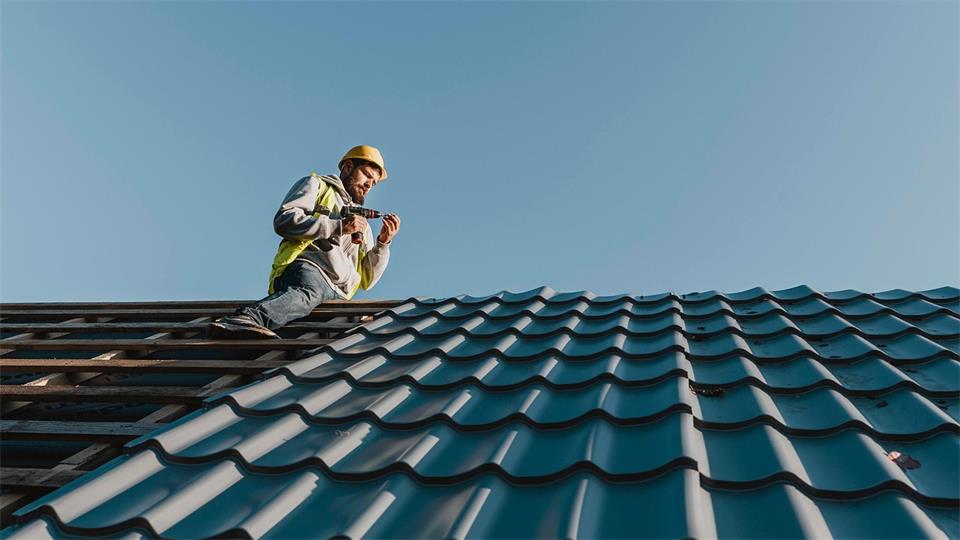
Commercial roofing plays a crucial role in protecting business properties, warehouses, offices, and industrial buildings. A strong, well-installed roof not only safeguards your structure from weather damage but also improves energy efficiency and long-term cost savings. When business owners look for reliable commercial roofing solutions, experienced contractors like Rebel Roofing stand out for their professional approach and comprehensive roofing services, including roof replacement, roof repairs, and durable metal roofing options designed to last for decades.
Choosing the right contractor is just as important as choosing the right roofing system. Many business owners searching for roofing companies in boise idaho want dependable workmanship, transparent pricing, and materials that can handle Idaho’s climate. This guide will walk you through everything you need to know about commercial roofing, from roof types to maintenance tips, so you can make an informed decision for your property.
What Is Commercial Roofing?
Commercial roofing refers to roofing systems specifically designed for non-residential buildings. These roofs are typically larger, flatter, and more complex than residential roofs. They must support heavy equipment like HVAC units and handle constant exposure to harsh weather conditions.
Unlike residential roofing, commercial roofing materials are selected for durability, energy efficiency, and low maintenance. A properly installed commercial roof can last anywhere from 20 to 50 years, depending on the material and upkeep.
Common Types of Commercial Roofing Systems
Understanding the most popular commercial roofing options can help you choose the best solution for your building.
Metal Roofing
Metal roofing is one of the most durable and long-lasting commercial roofing options available. It offers excellent resistance to extreme weather, fire, and corrosion. Many businesses prefer metal roofs because they are energy-efficient and require minimal maintenance over time.
TPO Roofing
Thermoplastic Polyolefin (TPO) roofing is a popular choice for flat roofs. It reflects sunlight, helping to reduce cooling costs during hot seasons. TPO is also affordable and resistant to UV rays and chemical exposure.
EPDM Roofing
EPDM (rubber roofing) is known for its flexibility and durability. It performs well in both hot and cold climates and is commonly used on large commercial buildings.
Modified Bitumen
This asphalt-based roofing system is reinforced with fiberglass or polyester, making it strong and reliable. It is ideal for buildings with high foot traffic on the roof.
Commercial Roof Replacement: When Is It Necessary?
Roof replacement is a significant investment, but sometimes it is unavoidable. Signs that your commercial roof may need replacement include:
- Persistent leaks and water damage
- Sagging or structural weakness
- Rising energy bills
- Roof age exceeding its expected lifespan
- Frequent and costly repairs
Professional roofing companies assess the condition of your roof and recommend whether a repair or full replacement is the most cost-effective option.
Importance of Timely Commercial Roof Repairs
Ignoring minor roofing issues can quickly lead to major damage. Small leaks, cracks, or loose panels can compromise insulation and structural integrity if left unattended.
Timely roof repairs:
- Extend the life of your roof
- Prevent interior damage
- Reduce long-term costs
- Maintain a safe environment for employees and customers
Experienced contractors specialize in identifying issues early and providing efficient repair solutions to minimize business disruptions.
Benefits of Metal Roofing for Commercial Buildings
Metal roofing has become increasingly popular in commercial applications due to its many advantages:
- Longevity: Can last 40–50 years or more
- Energy efficiency: Reflects heat and lowers cooling costs
- Low maintenance: Fewer repairs compared to other systems
- Environmental benefits: Often made from recycled materials
- Modern appearance: Enhances the professional look of commercial properties
For businesses seeking a durable and cost-effective solution, metal roofing is often the top choice.
How to Choose the Right Commercial Roofing Contractor
Selecting the right contractor ensures quality installation and peace of mind. When evaluating roofing companies, consider the following:
- Proven experience with commercial roofing projects
- Proper licensing and insurance
- Positive customer reviews and testimonials
- Clear warranties on materials and workmanship
- Transparent pricing and timelines
A reliable contractor will conduct a thorough inspection and explain all available options before starting the project.
Commercial Roof Maintenance: A Smart Investment
Routine maintenance is essential to maximize the lifespan of your commercial roof. Regular inspections can identify small issues before they escalate into expensive problems.
Maintenance typically includes:
- Clearing debris from drains and gutters
- Inspecting seams and flashing
- Checking for ponding water
- Ensuring fasteners and panels are secure
Scheduled maintenance protects your investment and helps maintain compliance with warranty requirements.
Final Thoughts
Commercial roofing is more than just a protective covering—it’s a long-term investment in your business property. Whether you need roof replacement, timely repairs, or a durable metal roofing system, working with experienced professionals ensures lasting results.
By understanding your roofing options and partnering with trusted experts, you can protect your building, reduce costs, and enjoy peace of mind for years to come.