Keeping your home clean has never been more important, and a reliable vacuum cleaner remains one of the most essential household appliances. With countless models available in 2026, choosing the right option can feel overwhelming.
From cordless stick vacuums to powerful upright machines and smart robotic cleaners, the market offers solutions for every home and lifestyle. Understanding your needs before making a purchase can help you find a vacuum that delivers excellent performance, convenience, and long-term value.
When researching the best vacuum cleaner for your home, it’s important to evaluate factors such as floor type, home size, pet ownership, filtration systems, and maintenance requirements. Investing in the right model can save you time, improve indoor air quality, and make household cleaning significantly easier.
Understand Your Floor Types
The first step in selecting a vacuum cleaner is identifying the primary flooring in your home. Different vacuum models perform better on specific surfaces.
For homes with mostly carpeted floors, upright vacuums often provide strong suction and deep-cleaning capabilities. Many models include motorized brush rolls that effectively remove dirt and debris embedded within carpet fibers.
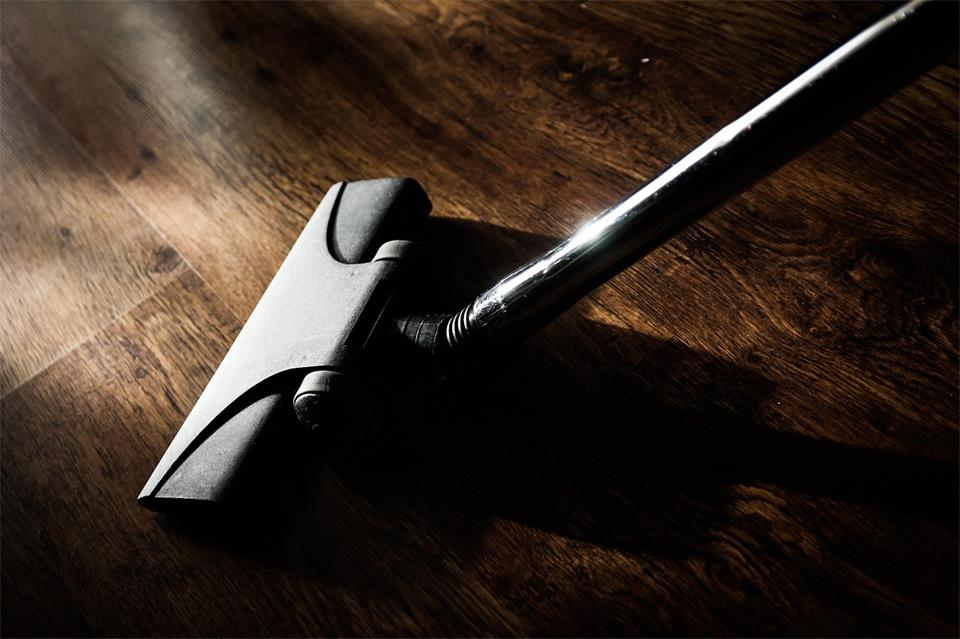
If your home features hardwood, laminate, tile, or vinyl flooring, a vacuum with adjustable suction settings and soft brush attachments is usually a better choice. These features help prevent scratches while efficiently collecting dust and debris.
For homes with a mix of flooring types, consider a versatile vacuum that can seamlessly transition between carpets and hard surfaces.
Consider the Size of Your Home
The size of your living space plays a major role in determining which vacuum cleaner will best suit your needs.
Small apartments and condos often benefit from lightweight cordless vacuums. These models are compact, easy to store, and ideal for quick cleanups.
Medium-sized homes may require a vacuum with longer battery life or a larger dustbin capacity to avoid frequent interruptions during cleaning sessions.
For larger homes, corded upright or canister vacuums often provide consistent power and extended cleaning time without battery limitations. Some robotic vacuums are also suitable for larger spaces if they feature advanced mapping technology and automatic charging capabilities.
Evaluate Suction Power
Suction power remains one of the most important performance indicators when comparing vacuum cleaners.
Higher suction power generally results in better dirt removal, especially from carpets, rugs, and upholstered furniture. However, stronger suction is not always necessary for every household.
Look for vacuums that offer adjustable power settings. This allows you to customize performance based on the cleaning task while conserving energy when maximum suction is unnecessary.
Reading product specifications and customer reviews can provide valuable insights into real-world suction performance.
Choose Between Corded and Cordless Models
Corded and cordless vacuum cleaners each offer unique advantages.
Corded vacuums provide uninterrupted power and are often preferred for extensive cleaning sessions. They typically deliver strong suction and do not require battery charging.
Cordless models, on the other hand, offer exceptional mobility and convenience. Modern battery technology has significantly improved runtime and performance, making cordless vacuums increasingly popular among homeowners.
If convenience is your top priority, a cordless model may be ideal. For those who prioritize maximum cleaning power, a corded vacuum is likely the better choice.
Pet Owners Need Specialized Features
Pet hair can be particularly challenging to remove from carpets, furniture, and stairs.
If you have cats or dogs, look for vacuums specifically designed for pet households. These models often include:
- Motorized pet hair attachments
- Anti-tangle brush rolls
- Enhanced filtration systems
- Strong suction capabilities
- Larger dust containers
These features help efficiently capture pet hair while minimizing allergens throughout the home.
Prioritize Filtration Systems
Vacuum cleaners do more than remove visible dirt. They also impact indoor air quality.
Homes with allergy sufferers should prioritize advanced filtration systems, especially High-Efficiency Particulate Air (HEPA) filters. HEPA filtration can capture microscopic particles such as pollen, dust mites, mold spores, and pet dander.
A sealed filtration system ensures that contaminants remain trapped inside the vacuum rather than being released back into the air.
In 2026, many premium vacuum cleaners include sophisticated filtration technologies designed to improve household air quality.
Examine Dustbin and Bag Capacity
Another important consideration is dust collection capacity.
Bagless vacuums allow users to empty debris directly into the trash, eliminating the need for replacement bags. They are often more cost-effective over time.
Bagged vacuums can be a better option for allergy sufferers because they minimize dust exposure during disposal.
Larger capacity containers require less frequent emptying, making them particularly useful for larger homes and pet owners.
Explore Smart Features
Technology continues to transform the vacuum cleaner industry.
Many modern vacuums now feature:
- LCD displays
- Battery monitoring systems
- Automatic suction adjustment
- Smartphone connectivity
- Smart home integration
- Floor detection technology
Robotic vacuums have become especially sophisticated, offering room mapping, obstacle avoidance, scheduling capabilities, and voice assistant compatibility.
While these features may increase the purchase price, they can significantly enhance convenience and cleaning efficiency.
Assess Weight and Maneuverability
A powerful vacuum is only useful if it is comfortable to operate.
Lightweight models are easier to carry up stairs, maneuver around furniture, and store when not in use. Features such as swivel steering, ergonomic handles, and flexible cleaning heads can improve the overall user experience.
For multi-level homes, weight should be a key factor in your purchasing decision.
Consider Maintenance Requirements
Every vacuum cleaner requires some level of maintenance.
Before purchasing, review:
- Filter replacement schedules
- Brush roll cleaning procedures
- Dustbin emptying requirements
- Battery replacement costs
- Availability of replacement parts
Models with washable filters and easily accessible components often reduce long-term ownership costs and simplify maintenance.
Set a Realistic Budget
Vacuum cleaners are available across a wide range of price points.
Budget-friendly options can effectively handle basic cleaning tasks, while premium models often provide enhanced suction, advanced filtration, smart technology, and longer durability.
Rather than focusing solely on the initial purchase price, consider the total cost of ownership, including maintenance, accessories, replacement filters, and battery replacements.
Investing in a high-quality vacuum may provide better performance and longevity, ultimately delivering greater value over time.
Final Thoughts
Choosing the right vacuum cleaner for your home in 2026 requires careful consideration of your cleaning habits, floor types, household size, and lifestyle needs. Whether you prioritize powerful suction, cordless convenience, pet hair removal, advanced filtration, or smart technology, there is a model designed to meet your requirements.
By evaluating key factors such as performance, maneuverability, maintenance, and budget, you can confidently select a vacuum cleaner that keeps your home cleaner, healthier, and easier to maintain for years to come.