
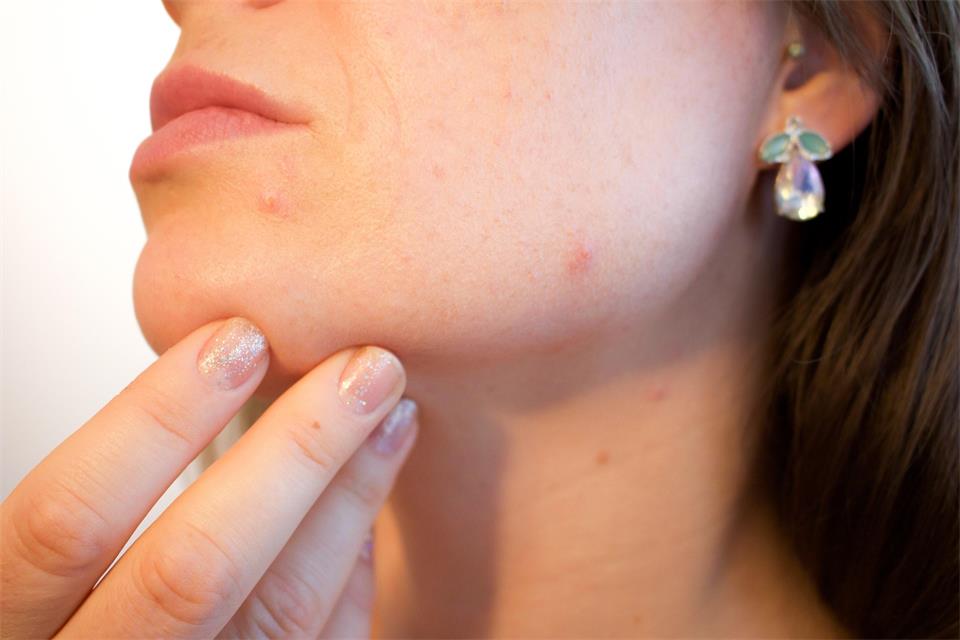
Most people start their acne treatment journey in a drugstore, using cleansers, spot treatments, perhaps a little benzoyl peroxide or salicylic acid. When those don’t do the trick, it’s off to the doctor for prescription strength topicals or, perhaps, oral antibiotics.
But what happens when those reasonably standard options have been exhausted but acne still persists? In truth, there’s much more available—but many people don’t know to ask or get the appropriate referral for a dermatologist.
Recognizing what exists and is available beyond basic treatment options helps shine a light on whether any subsequent choices make sense.
From medications to technology treatments, plenty of options exist to take acne treatment to the next level—and knowing which may apply to your situation helps cut down on time wasted trying to sort through options.
Oral Medications Beyond Antibiotics
Antibiotics are often the first line of prescribed oral treatment for acne, and they’re not the only option available. Hormonal treatment proves effective among women who’ve developed acne on a hormonally-driven basis—generally, more cystic blemishes flaring up around one’s period, or more acne that developed or worsened in adulthood.
Hormonal birth control or anti-androgens (like spironolactone) can help when acne is more hormoneally induced.
These medications work differently than antibiotics. They’re not trying to kill bacteria at the source; they’re instead targeting the hormones responsible for overproduction of oil. For eligible women, this treats acne from a root cause instead of symptom management.
This is a fair trade-off as hormonal treatment will only work for hormonally driven acne—it’s not appropriate for everyone across the board.
Isotretinoin (better known by the brand name Accutane) is the most powerful oral medication available for acne. This tends to be a last resort when severe cases have developed or if nothing else has worked because isotretinoin comes with side effects and mandates medical oversight.
However, in the right cases, this can clear acne that no other treatment can successfully help. The course lasts several months, during which time one truly sees if it works—and often long-term results or clear skin exists after discontinuation.
Technology Treatments
Beyond medication, several technology-based treatment options target acne from different sources. These are less invasive than medication and work with what’s on/in your skin instead of taking a step back and creating systemic medication-based changes to the body.
Chemical peels involve the application of acids that remove outer layers of damaged skin. They also reduce oil gland activity and improve skin’s overall surface quality. There are different levels of strength—from light peels performed with regularity to deeper peels that require more time to heal.
This is especially useful when one has both acneous skin but also surface texture issues or early scarring.
Light and laser treatments have exponentially expanded in recent years. There are those that target bacteria with blue light and those that reduce inflammation with red light; there are those that target oil glands through laser therapy and limit oil production—which contributes to acne in the first place.
Anyone looking for an advanced approach could benefit from Trusted Laser Acne Treatment options that apply focused energy toward the source instead of simply managing what’s at the surface level.
While these don’t offer overnight fixes, they offer gradual improvement over time without additional topical or medication use. The time consideration gives way to appointments at intervals but without daily application or awareness of side effects.
The cost concern is usually up front but still remains higher than pharmacy products over time—instead of $10 out of pocket per month which compounds exposure through a series of multiple medication expenses in a shorter time frame for established improvements.
Procedural Treatments
Direct intervention for various types of acne proves successful when waiting doesn’t seem like a good option.
Professional medical extractions clear stubborn comedones that have refused to respond to topical treatments; this isn’t punching one’s pimples at home—medical extraction uses professional expertise and limited tools to decrease damage (and scarring) potential effectiveness.
There are situations in which steroid injections reduce cystic acne when large and painful; dermatologists injected diluted corticosteroids directly into large inflamed areas (limited to two treatments maximum per month), and within a few days, the blemishes disappear.
This is an occasional treatment used for severe breakouts but it’s invaluable when it comes to calming certain occurrences quickly in which normal patience isn’t an option.
Sometimes drainage and extraction of larger cysts becomes necessary if they refuse to dissipate independently; while this sounds invasive, it can relieve pressure and comfort to people who’ve developed painful cysts and could require a nasty scar otherwise.
Combination Treatments
Finally, one of the most important things to know about advanced approaches toward treating acne is that combining various levels works better than any one single level alone.
For example, someone may use topical retinoids plus oral spironolactone plus chemical peels biweekly together. Another person might combine laser treatments with simpler topical treatments successfully.
The reason behind this is that various qualities contribute to acne—bacteria levels, oil production levels, inflammation, dead skin accumulation, hormone levels—addressing more simultaneous components provides faster results than working overtly harshly on one quality alone—even though that may be its best interest.
This is where a professional dermatologist is critical—they can help treat people when different solutions maintain a strategic benefit that times them together instead of undermining progress made through one without using topical help until much later on in the course once levels were downregulating for multiple sessions.
Considering Your Options
It’s critical to note that not every person should go through all steps and levels overtime in order—what makes sense are the severity and type of acne at hand, how annoying/uncomfortable/intrusive it is, what a person has tried in the past or what their individual circumstances allow at this time.
This includes age—teenage hormones often respond favorably to considerations that don’t work as well for adults and vice versa (adult women with hormoneally-induced concerns should absolutely consider hormones while teen boys will not).
But hormone development aside, severity makes a difference—if moderate cystic acne is forming but hasn’t scarred anyone yet, maybe adding a chemical peel series or an upgraded prescription topical makes more sense before jumping to laser options or isotretinoin; if there’s scarring or severe cystic formations that created holes in the skin, earlier options work better at this point.
Previous experience also informs next step considerations; someone who had adverse side effects from oral antibiotics may not want to consider another oral medication even if it’s a different drug class because it’s still taking a pill; someone who’s found a routine hard to apply daily for topical maintenance may find other less frequent alternatives easier to accomplish.
The Costs of Reality
It’s also important to note that advanced solutions often cost more than basic ones—but at least up front; frequently monitoring appointments plus labs are required from isotretinoin; laser treatments have added costs per session that can add up over one course. Chemical peels cost more than drugstore products.
But what may not always feel worthwhile at first is the risk-benefit analysis over costs over time—we’re far more likely successful to assume someone who spends years buying drugstore and various topical products to little pay-off accumulates similar value as what could’ve (should’ve) been accomplished in more definitive fashion months or years before with a no-acne guarantee versus merely managing it just beneath one’s aesthetic awareness threshold? There’s value in being clear versus always managing it at barely tolerated levels.
Insurance coverage varies widely for wildly different potential treatment options; most provide access for oral medications but not laser therapy/chemical peels; understanding what’s covered out-the-gate helps with realistic budgeting options as well for feasible solutions moving forward.
Moving forward
Knowing what’s available beyond basic treatment options provides hope when basic solutions haven’t prevailed but everything seems okay in the interim for mediocre results.
No one should feel stuck without control over their acne because drugstore products and standard prescriptions haven’t provided adequate support—there’s legitimately more that’s attainable—but how advanced options make sense is applied to specific cases—the type/severity of given acne, what’s been tried previously/in the past both potentially/hypothetically/timely/lifestyle adjusted moving forward per stress factors, costs, time commitments—and ultimately a substance evaluation with a trusted professional who can correct any mistakes made along the way based on their design for clear, confident skin unrelated to any fake magazine cover expectations but liberated personal satisfaction achieved style!