
Ever come home to find your cat has figured out how to turn on the bathroom faucet? Or maybe they’ve learned to open cabinet doors just to see what’s inside? Most cat owners shake their heads and mutter about typical feline mischief. But if you own a Bengal cat, this kind of behavior is Tuesday.
Bengal cats don’t fit the usual cat mold. While other cats spend 16 hours sleeping, Bengals are busy plotting their next adventure. They’re the ones who’ll play fetch until your arm gets tired, not theirs. They’ll follow you around like a furry shadow, then demand to be involved in whatever you’re doing – whether that’s folding laundry or trying to work from home.
For dog people who thought they’d never be cat people, Bengal cats change everything. They’ve got the looks of a wild cat and the heart of a golden retriever.
How Bengal Cats Started
Jean Mill had what seemed like a crazy idea back in the 1960s. She wanted to breed cats that looked like tiny leopards but behaved like house pets. Most people thought she was nuts. Turns out, she was brilliant.
Mill started crossing Asian Leopard Cats with regular domestic cats. This wasn’t some weekend hobby – it took decades of careful planning and selective breeding. Each generation had to be evaluated for temperament, health, and appearance. The wild cats brought stunning looks, while the domestic cats contributed friendly personalities.
Today’s Bengal cats are far removed from their wild ancestors. You won’t find any unpredictable wild behaviors, just house cats with extraordinary appearances and personalities that set them apart from every other breed.
Physical Features That Stop Traffic
Bengal cats look like they escaped from a nature documentary. Males can hit 18 pounds of solid muscle, while females usually stay between 8-12 pounds. They’re built like athletes – long, lean, and incredibly strong. Watch one jump, and you’ll understand why they can clear your kitchen counter from a standing position.
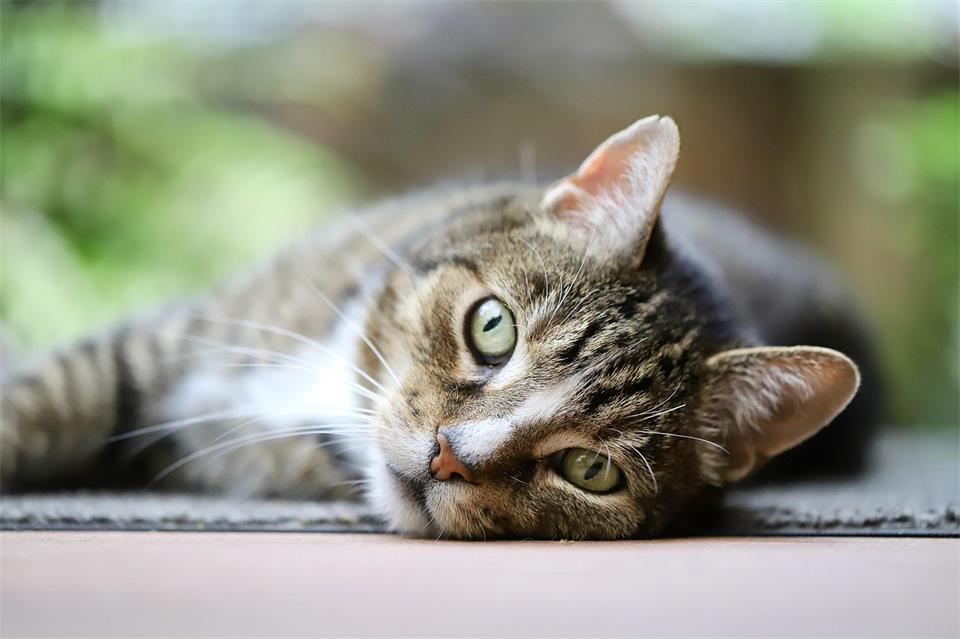
The patterns on their coats are what really grab attention. Some have spots that look exactly like leopard rosettes. Others have marbled patterns that swirl and flow like expensive wallpaper.
The contrast between the background color and the pattern creates a 3D effect that makes you want to keep staring.
You’ll find Bengal cats in several color combinations:
- Brown spotted/marbled: Rich golden browns with dark chocolate markings
- Silver-spotted/marbled: Bright silver backgrounds with jet-black patterns
- Snow varieties: Cream and white bases in three different genetic variations
- Blue spotted/marbled: Soft gray-blue coloring with darker blue patterns
Many Bengal cats have something called “glitter” in their coats. It’s not added – it’s natural. Individual hairs reflect light differently, creating a shimmer that makes them look like they’re dusted with tiny diamonds. You have to see it in person to believe it.
Bengal Cat Traits That Surprise Everyone
Intelligence Beyond Compare
Intelligence isn’t just a nice-to-have with Bengal cats—it’s their defining characteristic. These cats learn faster than most dogs and remember everything. They figure out door handles, cabinet latches, and how to get into supposedly cat-proof containers. One owner discovered her Bengal had learned to flush the toilet just for entertainment.
Vocalization: Talking Without Words
Bengals are chattier than your average politician. They chirp, trill, chatter, and make sounds you didn’t know cats could make. Each vocalization means something different. After a few months, you’ll understand their entire vocabulary. They’re basically having conversations with you, and they expect you to respond.
Water-Loving Bengals
Water doesn’t scare Bengal cats—it fascinates them. While other cats run from running faucets, Bengals investigate. Some will join you in the shower. Others prefer playing with water bowls or drinking directly from the tap. Nobody knows exactly why, but this trait shows up consistently across the breed.
Why Dog Lovers Fall for Bengal Cats
Bengal cats bond with their families in ways that surprise people, expecting typical cat aloofness. They pick favorites but remain friendly with everyone. This isn’t the distant affection some cats show – Bengal cats genuinely seem to care about their people’s daily activities and moods.
These cats want to be part of everything. Cooking dinner? Your Bengal will supervise from the counter. Working at your desk? They’ll claim the keyboard as their personal warming pad. Watching TV? They’ll curl up right next to you, not across the room like many cats prefer.
Training Bengal cats feels more like working with an eager dog than a stubborn cat. They learn their names quickly, come when called (usually), and can master basic commands. Many learn to walk on leashes, play fetch, and even perform simple tricks. The key is starting young and using positive reinforcement.
What to Know Before Bringing One Home
Exercise Requirements That Matter
Bengal cats need serious exercise every single day. It is mandatory for their mental and physical health. Without adequate activity, they become destructive, vocal, and generally unpleasant to live with. Think of them as feline personal trainers who won’t let you skip workouts.
Daily exercise should include:
- Morning play session: 15-20 minutes of active hunting games
- Evening play session: Another 15-20 minutes before dinner
- Climbing opportunities: Cat trees, shelves, or designated climbing areas
- Mental challenges: Puzzle feeders, rotating toys, new experiences
- Optional outdoor time: Leash walks or screened porch access
The hunting instinct drives most Bengal cats to play. They need toys that let them stalk, chase, pounce, and “kill” their prey. Feather wands, motorized mice, and laser pointers (followed by physical toys they can catch) all work well.
Bored Bengal cats become problem Bengal cats. They’ll find their own entertainment, which usually means trouble for your furniture, belongings, or sanity.
Living Situations That Work
Bengal cats can live almost anywhere if their needs are met. Small apartments work fine when owners provide adequate vertical space and daily exercise. Houses with more room obviously make life easier, but space alone doesn’t guarantee a happy Bengal cat.
These cats thrive in multi-pet households, especially with dogs who match their energy levels. Proper introductions are crucial, but many Bengal cats and dogs become inseparable friends. They often play together, sleep together, and even groom each other.
Families with children often find Bengal cats perfect matches. Their playful nature and tolerance for handling make them excellent kid companions. However, they’re not good choices for households where everyone works long hours unless other pets provide companionship.
Health Considerations
Bengal cats generally live 12-16 years with proper care. Like all purebreds, certain health issues occur more frequently than in mixed breeds. Responsible breeders test for genetic conditions and only breed healthy cats.
Common health concerns include:
- Heart problems: Hypertrophic cardiomyopathy affects some Bengal lines
- Eye conditions: Progressive retinal atrophy can cause vision loss
- Joint issues: Patellar luxation may affect mobility
Regular vet visits, quality nutrition, and preventive care help Bengal cats live long healthy lives. Their active nature usually keeps them in better physical condition than sedentary cats.
Grooming Made Simple
Bengal cats won’t consume your weekends with grooming requirements. Their short, dense coats need brushing once or twice weekly to remove loose hair and distribute natural oils. During spring and fall shedding seasons, daily brushing helps control hair around the house.
Basic grooming includes:
- Weekly brushing: Fine-toothed metal combs work best
- Nail trimming: Every 2-3 weeks to prevent furniture damage
- Teeth cleaning: Regular brushing prevents dental problems
- Ear cleaning: Monthly cleaning prevents wax buildup
Most Bengal cats enjoy grooming sessions, especially when started as kittens. They often purr throughout brushing and seem to view it as bonding time rather than a chore.
Finding the Right Bengal Cat
Searching for a Bengal cat requires research and patience. Quality Bengal cats don’t come from pet stores or backyard breeders. Reputable breeders invest heavily in health testing, proper socialization, and breed improvement.
Good Bengal cat breeders ask lots of questions about your lifestyle, experience with cats, and expectations. They want to ensure their kittens go to appropriate homes. They’ll provide health records, registration papers, and detailed information about the kitten’s parents.
Visiting the breeder’s facility gives you insight into how the cats are raised. Clean conditions, healthy adult cats, and well-socialized kittens are good signs. Breeders who welcome visits and answer questions thoroughly are usually trustworthy.
Expect to pay more for a well-bred Bengal cat from a reputable source. The investment typically pays off in better health, temperament, and breed characteristics that last throughout the cat’s life.
Training Success
Bengal cats learn quickly when training methods focus on rewards rather than corrections. Their food motivation makes training sessions productive and enjoyable for both the cat and the owner. Start with basic behaviors and gradually add more complex commands.
Essential training includes litter box habits, appropriate scratching surfaces, and name recognition. Many Bengal cats master these basics within weeks of arriving home. Advanced training can include leash walking, fetch games, and simple tricks that showcase their intelligence.
Socialization during the first few months of life shapes Bengal cats’ adult personalities. Exposure to different people, sounds, and experiences creates confident cats who adapt well to new situations throughout their lives.
Bengal Cat Communities
Bengal cat ownership connects people with a passionate community of breed enthusiasts. Online groups, local clubs, and cat shows provide resources for care advice, training tips, and connections with experienced owners.
Cat shows offer opportunities to see exceptional Bengal cats and meet knowledgeable breeders. These events also provide education about breed standards, care techniques, and the latest developments in Bengal cat breeding.
The Bengal community emphasizes responsible ownership, including spaying and neutering pet-quality cats and supporting ethical breeding practices. This network becomes invaluable for new owners seeking guidance and long-term support.
Bengal Cat: Perfect for Dog People
Bengal cats offer something unique in the feline world – the independence of cats combined with the loyalty and trainability that dog people love. For those wondering if Bengal cats might be the best cats for dog owners, the answer often depends on lifestyle and expectations.
These cats require more time, attention, and interaction than typical house cats. They’re not good choices for people who want low-maintenance pets. However, families who invest in proper care and training often find Bengal cats more rewarding than they ever expected.
Adding a Bengal cat to your family should involve careful consideration of their specific needs. When matched with the right households, these remarkable cats become cherished family members who bring wild beauty and devoted companionship to daily life.