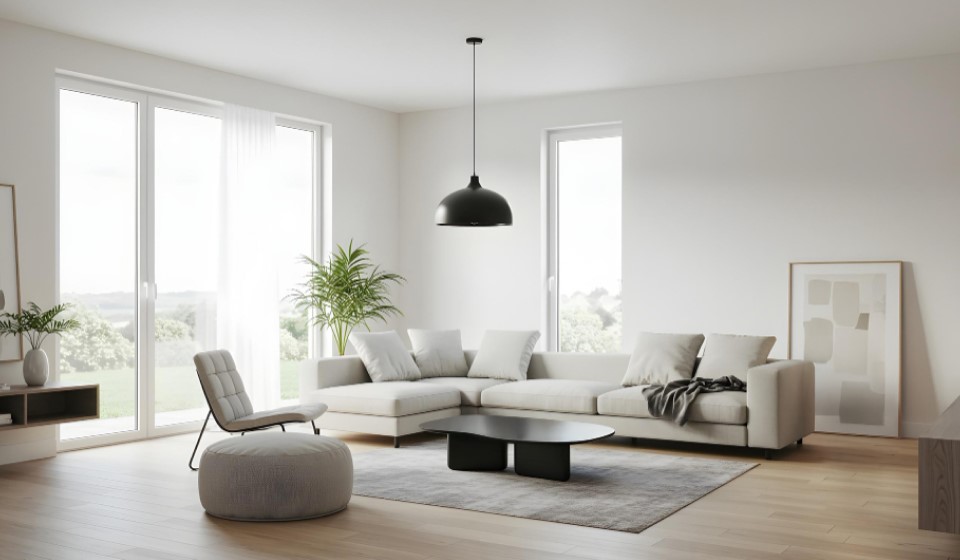
Styling a living space is not just about placing furniture in a room. It is about creating an environment that reflects comfort, functionality and personality. Every choice, from seating arrangements to colour tones, contributes to how a space feels and functions daily.
When looking for pieces that balance relaxation with visual appeal, many homeowners today are focusing on versatile seating options such as modular lounges.
Whether you prefer a modern, minimal or cosy interior style, thoughtful planning ensures your living area becomes a place you genuinely enjoy spending time in.
Understanding the Purpose of Your Living Space
Before choosing furniture or décor, it is essential to understand how the living space will be used. Some households prioritise entertainment and social gatherings, while others focus on relaxation and family time. Defining this purpose helps guide every design decision that follows.
For example, a space designed for relaxation may prioritise soft seating, warm lighting and open movement.
On the other hand, a more social environment may include additional seating arrangements and flexible furniture placement to accommodate guests comfortably. Understanding these needs early prevents overcrowding and ensures the space remains functional.
Choosing the Right Layout and Flow
The layout of a living space plays a significant role in how comfortable and practical it feels. A well-planned arrangement allows for easy movement while ensuring each furniture piece serves a clear purpose.
Positioning is key, especially when working with larger furniture items, such as coffee tables, entertainment units or sofas in Perth homes.
It is important to avoid blocking natural pathways. Instead, furniture should guide movement through the room smoothly and naturally. This creates a sense of openness and prevents the space from feeling restricted or cluttered.
Selecting Key Furniture Pieces for Comfort and Style
Furniture selection is at the heart of any living space design. Each piece should contribute both functionality and aesthetic value. A sofa often becomes the central point of the room, complemented by coffee tables, side tables and storage units that enhance usability.
When choosing seating arrangements, it becomes easier to blend comfort with style. A combination of a standard sofa, a recliner chair and a chaise-style seat can create a relaxed and inviting atmosphere without compromising elegance.
Colour Palettes and Visual Harmony
Colour plays a powerful role in shaping the mood of a living space. Neutral tones such as beige, grey and soft white create a calm foundation, while accent colours add personality and depth. The key is to maintain balance so that no single tone overwhelms the room.
A consistent colour palette helps unify different furniture pieces and decor elements. This creates visual harmony, making the space feel more organised and thoughtfully designed.
Space Optimisation and Storage Solutions
A well-organised living space always feels more comfortable. Smart storage solutions help maintain cleanliness while reducing visual clutter. Multi-functional furniture, such as storage ottomans or shelving units, can significantly improve space efficiency.
Keeping surfaces clear and using concealed storage options allows the design elements of the room to stand out. This approach is particularly useful in smaller spaces where every centimetre counts.
Final Thoughts
Styling a living space requires a thoughtful combination of planning, creativity and practicality. From layout and furniture selection to lighting and decorative accents, every detail contributes to the overall feel of the room. When each element is chosen with intention, the result is a space that feels harmonious, functional and inviting.
A well-styled living area is not about following strict design rules, but about creating a space that reflects how you live and what makes you feel comfortable every day.
Frequently Asked Questions
What should be considered first when styling a living space?
The first step in styling a living space is understanding its purpose. Whether the space is mainly for relaxation, entertaining guests, or family use will influence every design decision.
How important is furniture placement in a living space?
Furniture placement plays a major role in creating a functional and comfortable living environment. A well-planned layout allows easy movement and prevents the space from feeling crowded.
What type of seating works best for comfort and style?
Seating should combine both comfort and aesthetic appeal. A balanced mix of furniture, such as a sofa, recliner chair and chaise-style seating, creates a relaxed yet stylish atmosphere.
How can lighting improve the overall living space design?
Lighting enhances both functionality and mood. Natural light should be maximised wherever possible, as it makes the space feel brighter and more welcoming.
What makes a living space feel more inviting?
A living space feels more inviting when comfort, balance and personal style are combined effectively. Soft furnishings, thoughtful furniture placement and subtle decor accents contribute to a warm atmosphere.