
Modern households rely heavily on major appliances to make daily life easier. From refrigerators and washing machines to ovens and dishwashers, these devices save us countless hours of work.
However, when an appliance stops functioning properly, it can cause significant inconvenience and lead to expensive repair bills. The good news is that with some basic tools, a bit of patience, and the right guidance, you can learn how to fix certain appliance problems yourself. This not only saves money but also gives you the satisfaction of solving the issue without professional help.
If you live in Poway and need professional assistance, you can always rely on experts. Appliance repair Poway services, for example, provide dependable fixes for a range of home appliances. Before calling in the pros, try some simple troubleshooting techniques to see if you can fix the problem yourself.
Step 1: Diagnose the Problem
The first step in repairing any appliance is understanding exactly what’s wrong. Most appliances show signs before they completely stop working. For example, a refrigerator might start making unusual noises, a washing machine might not spin as efficiently, or an oven might take longer to heat.
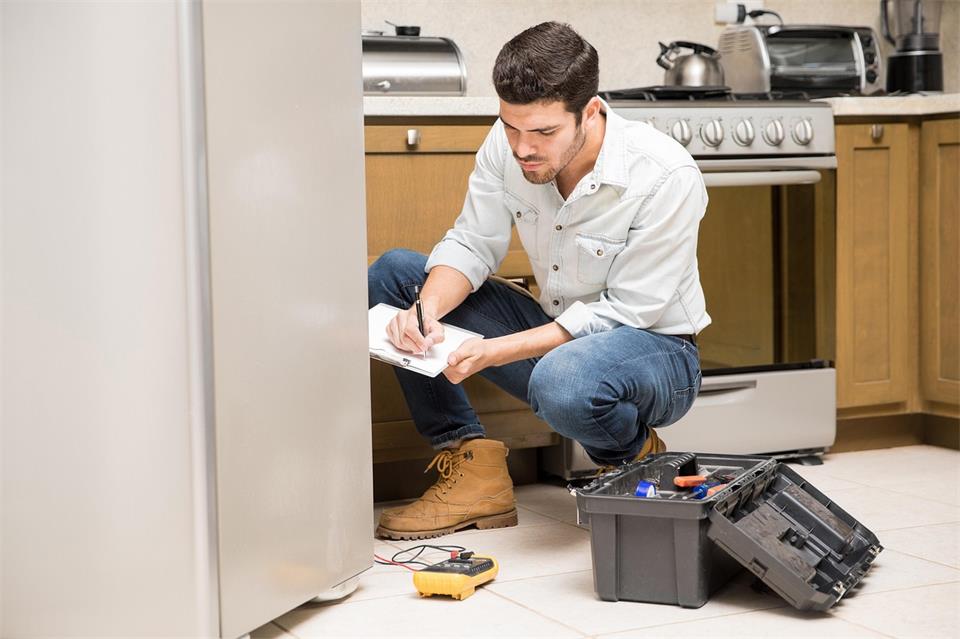
Carefully observe the appliance’s behavior and make notes of any symptoms. Look for obvious issues such as loose wires, visible damage, leaks, or unusual smells. Identifying these early clues will help narrow down the possible causes and guide your repair process.
Step 2: Gather the Right Tools
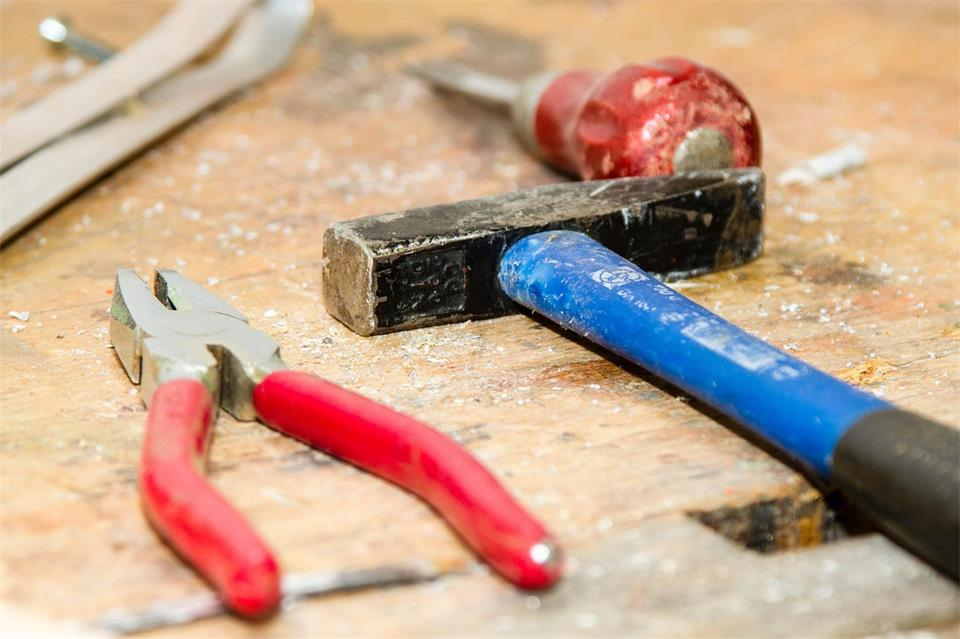
Having the right tools on hand is essential before you start any repair work. While the exact tools will vary depending on the appliance, a basic repair kit might include:
- Screwdrivers (flathead and Phillips)
- Adjustable wrench
- Pliers
- Multimeter (for electrical testing)
- Socket set
- Flashlight
- Replacement parts (specific to your appliance model)
Before ordering replacement parts, check the model number of your appliance. This ensures you purchase the correct component and avoid wasting time or money.
Step 3: Safety First
Safety should always be your top priority when dealing with electrical or mechanical repairs. Always unplug the appliance before beginning work. If the appliance is hardwired, switch off the circuit breaker. Wear protective gloves to avoid cuts or burns, and if you’re working with water-related appliances like washing machines or dishwashers, turn off the water supply to prevent leaks or flooding.
Step 4: Learn How the Appliance Works
Understanding how your appliance operates can make troubleshooting much easier. Please take a moment to review the user manual to become acquainted with its parts and functions. Many manufacturers provide online manuals and troubleshooting guides. You can also find step-by-step repair tutorials on reputable websites or video channels.
For example:
- Refrigerators rely on compressors, condensers, and fans to maintain temperature.
- Washing machines use a combination of a motor, pump, and sensors.
- Ovens have heating elements and thermostats that regulate heat.
Knowing these basics helps you trace the problem more effectively.
Step 5: Common Appliance Problems You Can Fix
You can solve many common appliance issues without professional help. Here are a few examples:
Refrigerator Not Cooling
- Check if the condenser coils are dirty. Dust buildup can block airflow and reduce cooling efficiency. Clean them with a vacuum or brush.
- Make sure the thermostat is set to the right temperature.
- Ensure the door seals are intact to prevent cold air from escaping.
Washing Machine Not Draining
- Check for clogs in the drain hose or filter.
- Ensure the lid switch or door lock is functioning—most machines won’t drain if it’s broken.
- Inspect the pump for blockages.
Oven Not Heating
- Test the heating element for continuity using a multimeter.
- Replace faulty temperature sensors.
- Make sure the appliance is receiving proper power supply.
Dishwasher Not Cleaning Well
- Clean the spray arms to remove food particles.
- Check the water inlet valve for blockages.
- Use the correct type of detergent and ensure the filter is clean.
Step 6: When to Call a Professional
While DIY repairs are great for minor problems, certain situations require expert help. If your appliance has complex electrical faults, gas leaks, or major mechanical failures, it’s safer to contact a professional. Additionally, if you’ve attempted repairs but the problem persists, calling a technician can prevent further damage.
In such cases, seeking assistance from a trusted service like A-Tech Repair in Poway ensures your appliance gets the right treatment and extends its lifespan.
Step 7: Maintenance to Prevent Future Problems
Regular maintenance can help you avoid costly repairs. Here are a few preventive tips:
- Clean Filters and Coils Regularly – This improves performance and prevents overheating.
- Avoid Overloading – Overloading washing machines or dishwashers can cause motor strain and reduce efficiency.
- Check for Leaks – Early detection of water or refrigerant leaks can prevent serious issues.
- Use Appliances as Intended – Following the manufacturer’s guidelines ensures safety and prolongs durability.
Step 8: Benefits of Learning DIY Appliance Repair
Learning to repair your own appliances offers multiple benefits:
- Cost Savings – You avoid expensive service fees for minor issues.
- Faster Solutions – Instead of waiting for a repair appointment, you can fix problems right away.
- Skill Development – Each repair teaches you something new, making you more self-reliant.
- Satisfaction – Successfully fixing an appliance provides a sense of accomplishment.
Final Thoughts
Repairing major appliances yourself can be a practical and rewarding skill to develop. By understanding how your devices work, using the right tools, and following proper safety precautions, you can handle many common problems without professional help.
However, it’s equally important to recognize when a job is beyond your expertise and call in experts to ensure safety and effectiveness.
With a combination of DIY effort and professional support when needed, you can keep your household running smoothly while saving time and money.