The efficiency of storage space is one of the key aspects to consider as a place to live since it directly influences the comfort and the order of everyday life. An apartment can be a good looking place but it can be easily overcrowded and confined unless it has enough storage and storage which is well planned.
Learning to assess storage prior to signing a lease prevents frustration in the future and helps live more productively.
In their quest for housing, particularly when renting apartments in Quebec City, renters tend to pay much attention to the price and the location but ignore the storage space. Nevertheless, the organization of storage in a unit may have a great impact on long term satisfaction and quality of life.
Understanding Storage Layout in Apartments Units
The initial action in testing the efficiency of storage is to learn how the space is allocated in the apartment. Storage is not just about the closets, but also the usable space is incorporated into the layout. With a well planned apartment, it is easy to store the belongings without compromising on movement and comfort.
Note: is there a practical location of storage areas? Closets around the entrance points, bedrooms and common spaces are likely to reveal thoughtful design. Inappropriate location may result in ineffective use of space and unnecessary clutter in homes.
Evaluating Closet Design and Accessibility
Closets are a major form of storage from apartments for rent Quebec City and thus the layout of the closet and its accessibility are key aspects. Their size should also be considered, as well as the ease with which they can be organized. Deep and narrow closets can look large, yet they might not be practical to work with.
Take into account whether the shelves, rods, and compartments are already constructed or will they have to be customized. Adjustable storage systems have the potential to provide greater long term flexibility, as residents can flex their space as their needs evolve.
Checking Kitchen and Bathroom Storage Capacity
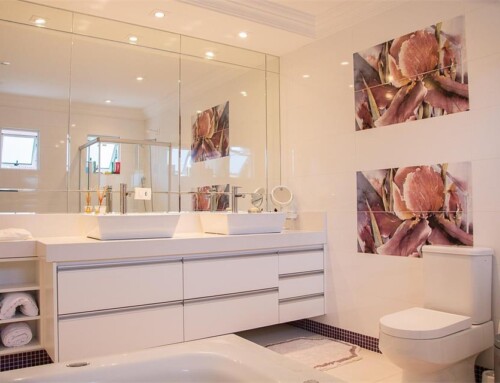
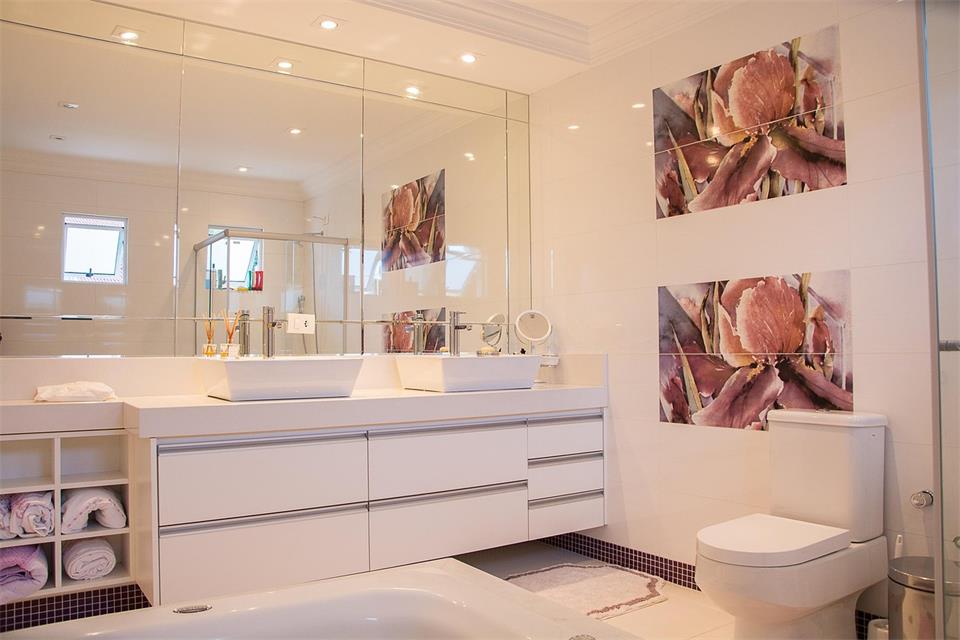
The functionality of an apartment on a daily basis always depends on storage in the kitchen and bathroom. The lack of cupboards in the kitchen may cause the countertops to be crowded, whereas the lack of storage space in the bathroom may result in a lot of unnecessary clutter in common spaces.
Search on features of the practical value like under sink cabinets, overhead shelves, and pantry space. Even tiny apartments may feel well-organized in case these spaces are planned effectively and can offer easy access to the necessary things.
Assessing Furniture Placement and Open Space
The space utilization also has an intimate relationship with the way furniture fits in the apartment. Although good storage units may have enough storage space, bad placement of furniture may decrease the available space and make the storage unit appear crowded. One should envision how ordinary objects will be incorporated into the design.
Movement and storage should be accommodated by the open floor space. Flexible furniture arrangements are also likely to be more comfortable in the long term since apartments that accommodate such design can easily adjust to the evolving storage needs.
Reviewing Additional Storage Options in Buildings
Additional storage solutions at the external unit are available in some of the apartment buildings. They can be in the form of lockers, basements, or utility rooms. These features can significantly increase the storage capacity in general, particularly seasonal items or those that are used less frequently.
It is also beneficial to ensure that these additional storage facilities are part of the lease or can be acquired at an extra expense. The more convenient access to the external storage may result in a smaller apartment being much more viable and organized in the long run.