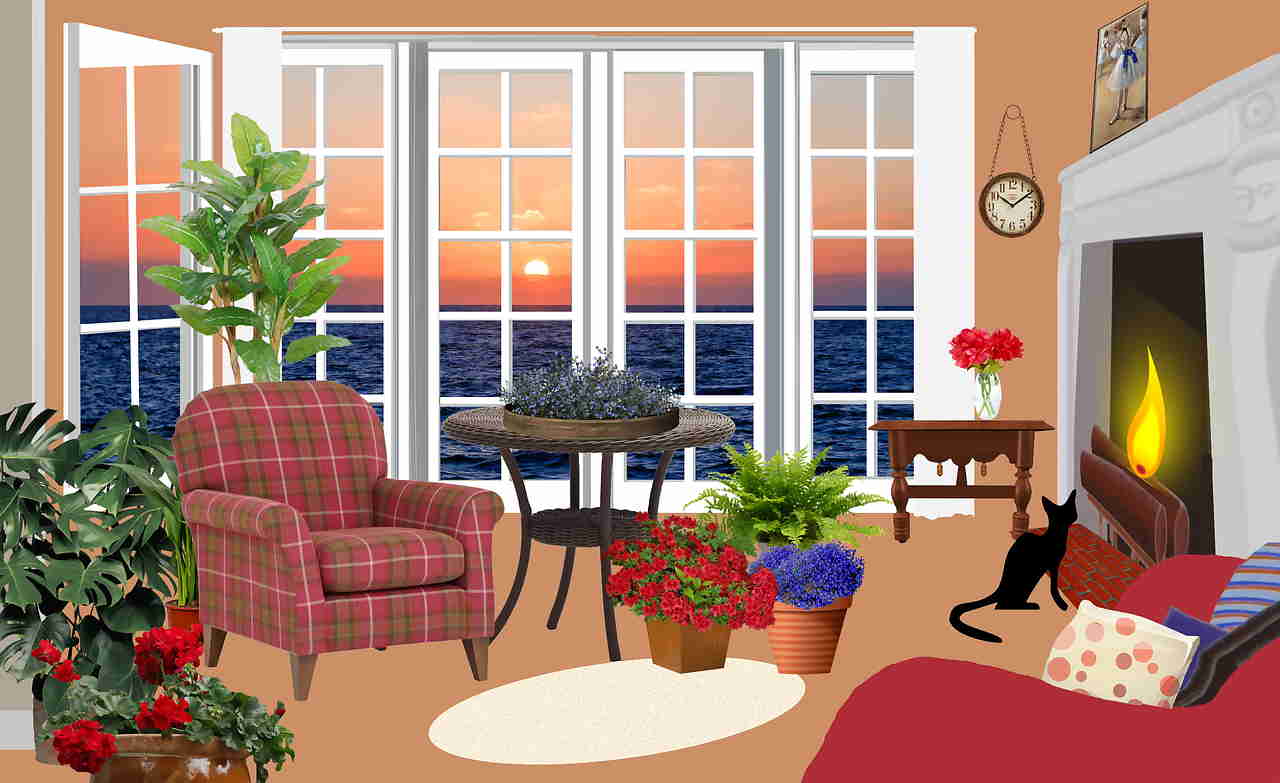
A fireplace is one of the most timeless features a home can have. It brings warmth, comfort, and a sense of calm that’s hard to match with any other home appliance. But like any heat-producing system, a fireplace requires proper care and safe operation.
Whether you rely on a wood-burning, gas, or electric model, understanding key safety practices helps protect your home and ensures your fireplace remains a dependable part of your living space.
Below are essential fireplace safety tips every homeowner should keep in mind.
1. Have Your Fireplace and Chimney Inspected Regularly
For wood-burning fireplaces, creosote buildup is one of the most common causes of chimney fires. Gas fireplaces can develop ventilation issues or burner problems over time, and even electric fireplaces should be checked for wiring wear. A yearly inspection by a qualified professional helps identify potential problems early and ensures everything is functioning safely and efficiently.
2. Keep the Area Around Your Fireplace Clear
The heat from a fireplace can ignite nearby items much faster than many homeowners realize. Furniture, décor pieces, blankets, and even holiday decorations should be positioned at a safe distance. Maintaining a clear zone of at least three feet helps prevent accidental fires and keeps your home environment safer.
3. Use the Correct Fuel for Your Fireplace Type
Wood fireplaces should only burn seasoned hardwood. Softwoods, painted lumber, or household waste can produce excessive smoke, release toxins, or create dangerous flare-ups. Gas fireplaces should operate only with the approved fuel type—typically natural gas or propane—and electric fireplaces should be used with the correct electrical outlet and voltage. Always follow the manufacturer’s guidelines.
4. Never Leave a Fire Unattended
Even a small flame can become hazardous quickly. Before leaving the room or going to bed, make sure the fire is completely extinguished or the flame source is turned off. For gas fireplaces, confirm the pilot and burner are fully shut down; for electric units, power them off and unplug if required.
5. Install and Test Smoke & Carbon Monoxide Detectors
Any appliance that produces heat—especially those that burn fuel—should be supported by working smoke and carbon monoxide detectors. These devices provide crucial early warnings in case of poor ventilation, malfunctioning components, or unexpected fire behavior. Detectors should be tested monthly and batteries replaced annually.
6. Use Protective Barriers or Screens
A fireplace screen or glass barrier prevents sparks, embers, and small debris from popping into the room. This is especially important for homes with pets or children, who may be drawn to the warmth but unaware of the danger. Screens also reduce the risk of accidental contact with hot surfaces.
7. Maintain Proper Ventilation
Ventilation is essential, especially for gas and wood fireplaces. A clogged vent or blocked chimney can cause smoke or fumes to accumulate indoors. Always ensure your damper is open before starting a fire and that vents remain unobstructed. If you notice persistent smoke, unusual smells, or soot buildup, discontinue use and schedule a professional inspection.
8. Clean Your Fireplace Routinely
Ash, soot, dust, and debris can accumulate faster than expected. Removing ash from wood fireplaces, wiping down gas fireplace logs, and cleaning electric units’ air intakes help keep your fireplace running smoothly. Regular cleaning also makes it easier to identify early signs of wear or damage.
9. Teach Household Members Basic Fireplace Safety
Everyone in the home should understand simple rules: don’t touch hot surfaces, keep flammable items away, and know how to properly shut off the fireplace. If you have a gas or electric model with a remote or switch, ensure family members know how to use it safely.
10. Know When It’s Time for an Upgrade
Older fireplaces may lack modern safety features such as auto-shutoff sensors, sealed combustion systems, or updated ventilation components. If your fireplace shows signs of age, struggles to heat properly, or frequently needs repairs, upgrading to a newer model can improve both safety and efficiency.
Final Thoughts
A fireplace adds warmth and charm to any home, but safe operation should always be the top priority. With regular maintenance, responsible use, and proper education, homeowners can enjoy their fireplace confidently throughout the colder months and beyond.
If you ever consider updating your fireplace or learning more about safe, efficient options, consulting with an experienced hearth professional is always a smart next step.