

Growth is great, but it may also be dangerous. As companies grow, their operations get more complicated.
For a small team, simple tools may work OK, but when you scale up, things may get messy: data is duplicated, deadlines are missed, communication gets fragmented, and decision-making gets stuck. Teams waste time attempting to keep up instead of looking for new chances.
With modern project management tools, you can be sure that you can grow. They make processes that grow with the business by bringing together communication, planning, and responsibility.
One of these platforms is Lark, which gives businesses the structure they need to grow without losing control. This way, growth keeps things moving instead of slowing them down.
Lark Base: Creating structure for expansion
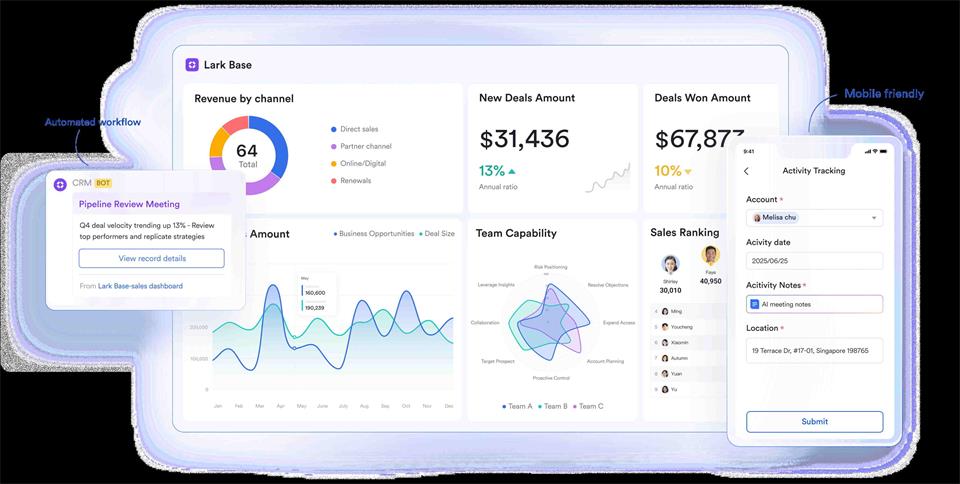
Lark Base
When you scale, the hazards of having disorganized data grow. Sales teams keep track of leads in spreadsheets, operations teams keep track of supply chains in different tools, and marketing teams keep track of campaigns in a different system.
This fragmentation makes it harder to make decisions and keeps leaders in the dark. Lark Base fixes this by being a single, customisable portal where all departments stay on the same page.
- Project views that can be changed: Teams can change Base to fit their workflows by organizing projects in kanban, table, gallery, or timeline views. Kanban helps a marketing team keep track of the development of several campaigns, while timeframes help an operations team plan delivery. Growth doesn’t mean turmoil; it means more options.
- One source of truth: Updates are made in one system, which cuts down on the requirement for manual reporting. Managers no longer waste hours reconciling various trackers; they make decisions based on data that is live and accurate.
- Ability of CRM: Base brings advanced features of a CRM app into its single platform, so sales teams can track leads, visualize sales, sync clients’ dynamics, and analyse them without switching different tools. When a significant client closes, operations and support can quickly understand what needs to be done to make sure the customer experience goes smoothly.
- Cross-department alignment: Base can be changed by marketing, HR, finance, and operations to meet their needs while still being related to the same business goals. This stops the corporation from growing into separate groups.
Lark Calendar: Scaling time management
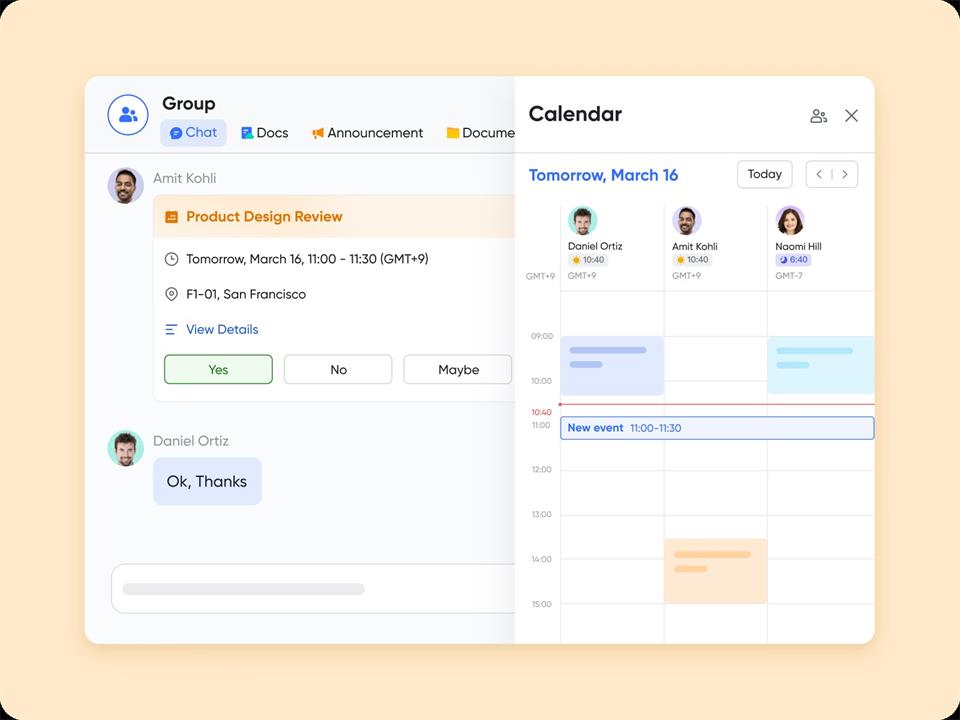
Lark Calendar
It gets tougher to keep track of schedules as businesses grow. There are more meetings, deadlines are missed, and foreign teams have trouble working together. Growth only makes these problems worse if there isn’t a related calendar. Lark Calendar makes sure that time stays organized and dependable.
- Linked milestones: Calendar gets its deadlines from Base. Everyone on the linked teams sees the update right away if a product launch is pushed back. No one works on schedules that are out of date.
- Meetings that are planned ahead of time: Events might contain associated documents and agendas to keep discussions on track. A project review doesn’t waste time going over the past; it gets right to the point.
- Working together around the world: Automatic time zone changes make it easier for teams who are spread out to work together. A U.S. manager who sets up a conversation with Singapore won’t make mistakes that cost days of progress.
- Dependable reminders: Notifications keep important dates in view, so even as workloads increase, deadlines don’t get missed. Calendar helps firms that are growing stay on track in an unpredictable world.
Lark Docs: Scaling collaboration without friction
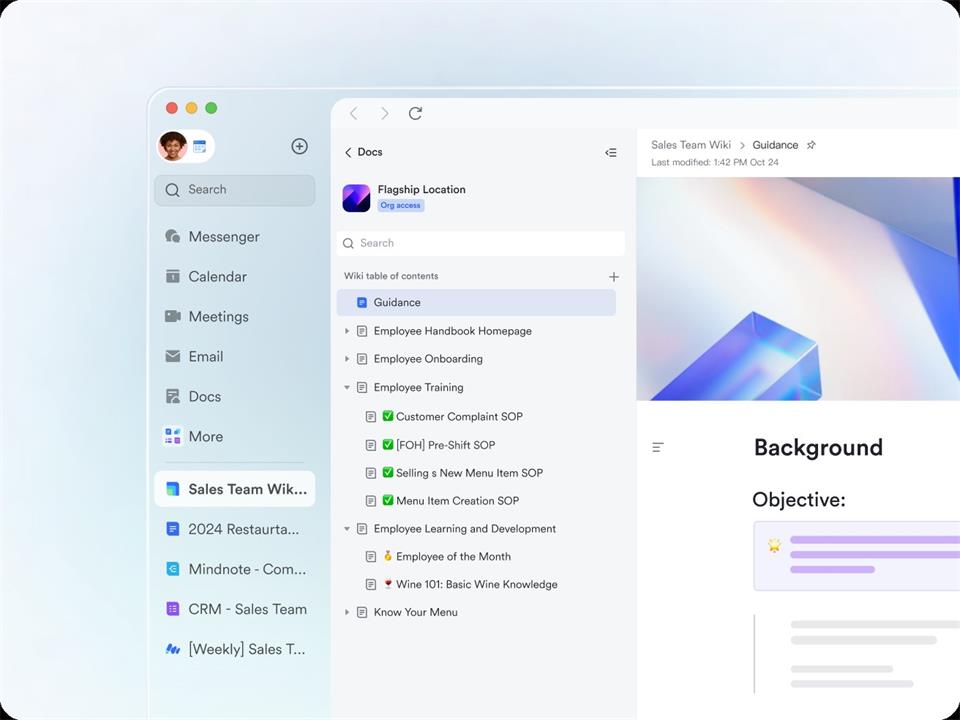
Lark Docs
More people means more papers, which means more potential for things to become mixed up. Teams give each other a lot of drafts, feedback gets lost in email chains, and workers waste time looking for the “latest version.” Lark Docs substitutes this with documents that are always changing and growing as the company does.
- Real-time co-editing: People from different departments can collaborate on the same document at the same time. Instead of working in separate groups, marketing, product, and finance may all improve a launch strategy at the same time.
- Embedded resources: Docs let you embed Base records or Sheets data right into them, which gives reports or strategies more context in real time.
- Linked execution: A finished plan can link to Tasks and Calendar events, making sure that what you know turns into action right away.
- Transparent feedback: Comments and version history make feedback explicit, so teams that are getting bigger don’t have to waste time reconciling versions. Docs makes it easy to work together, no matter how big the business gets.
Lark Approval: Scaling decision-making
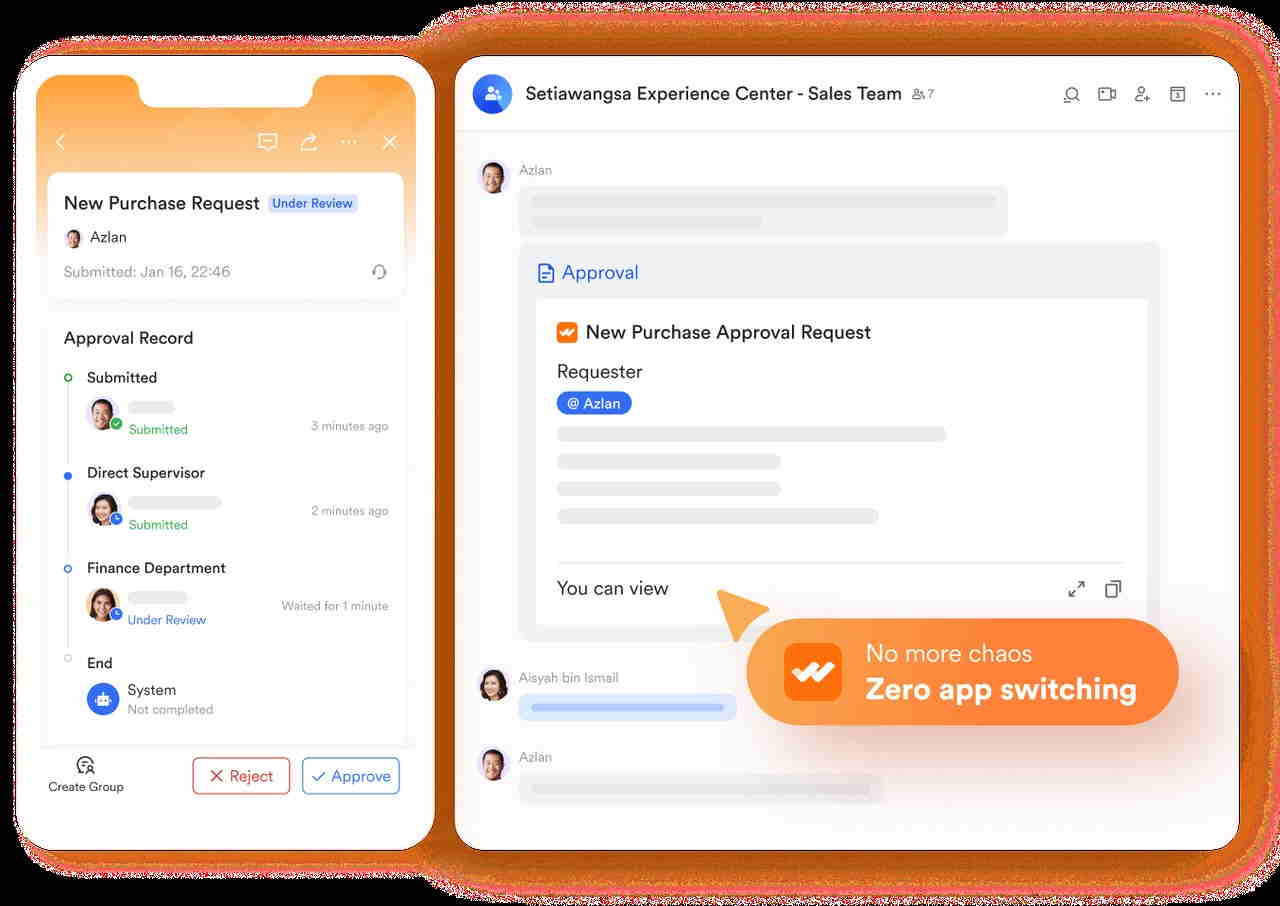
Lark Approval
As a firm grows, it can be hard to keep making decisions. More and more approvals are needed from different departments, and complex email chains slow things down.
A little delay in finance can cause operations to lose weeks of time. Lark Approval makes this process easier so that growth doesn’t require longer wait times for decisions.
- Structured requests: Employees send in approvals for budgets, contracts, or leave requests all in one place, so there are no more scattered emails.
- Automated routing: Requests go to the right people right away. There is no need to transmit a budget request for marketing to the finance department.
- Status visibility: Employees don’t have to chase updates because they can constantly see how their requests are going. Everyone knows exactly what is going on.
- Automated workflows: Approval ensures that reminders and escalations happen automatically by providing an automated workflow. This consistency keeps choices going, even as requests pile up.
Lark Wiki: Scaling knowledge and processes
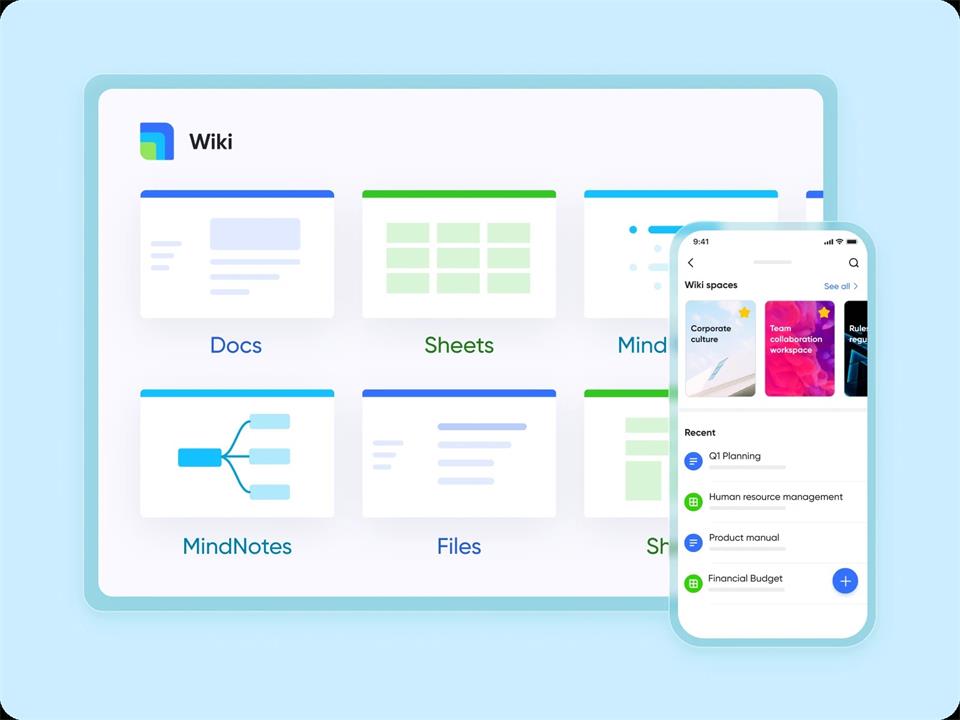
Lark Wiki
One of the biggest risks when firms grow quickly is that things don’t stay the same. Outdated methods and verbal explanations make employees make mistakes and waste time. Lark Wiki makes sure that the knowledge of the organization grows together with the business.
- Centralized storage: All workers may access policies, onboarding materials, and playbooks in one spot. HR can change training guidelines once, and everyone will see the most recent one.
- Always up to date: When rules on compliance alter, changes made in Wiki apply to the whole company right away. Working with old instructions is a waste of time for everyone.
- Access across teams: All departments can benefit from shared knowledge. For example, finance can look at sales policies, marketing can look at IT instructions, and so on.
- Support for onboarding: New employees may quickly learn about the most recent processes, which helps them get started faster. Wiki makes sure that the transfer of knowledge doesn’t slow down growth.
Lark OKR: Scaling strategy with execution
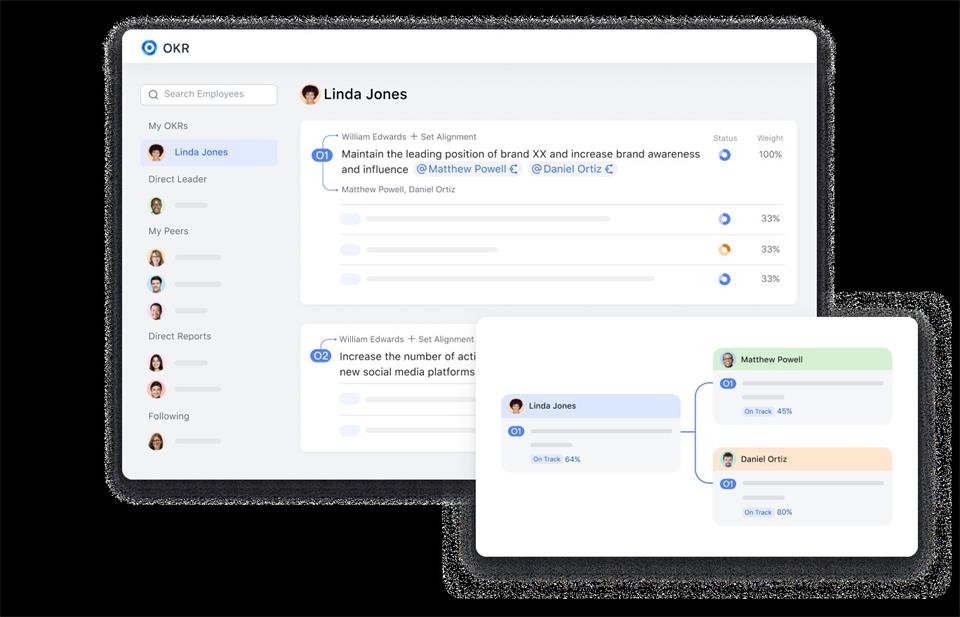
Lark OKR
Quick growth might cause teams to go in opposite ways. When things aren’t aligned, resources are spent on busy work instead of important tasks. Lark OKR fills this gap by linking goals to action.
- Clear goals: Leaders set company-wide goals that show how they want to grow, including getting into new markets or keeping more customers.
- Key results that can be measured: Teams keep track of their work with metrics that show how much progress they are making. Marketing might keep track of how many leads they get, while operations might keep track of how quickly they can fulfill orders.
- Linking execution: OKRs are linked to changes from Base or Tasks, so progress shows real work instead of static reporting.
- Alignment in real time: Leaders can observe progress right away, which lets them make swift changes. Even when things change, teams stay on the same page with strategy.
Conclusion
Getting bigger isn’t enough to scale up; you also need to stay clever. When businesses grow, things get more complicated, but they can handle it with confidence if they use unified platforms.
Disconnected systems slow down progress, while integrated workflows keep teams on the same page, responsible, and focused.
Base organizes projects and customer information; Calendar keeps schedules accurate; Docs makes sure that everyone can work together;
Approval speeds up decision-making through automation; Wiki keeps the organization’s knowledge safe; and OKR makes sure that strategy and execution are in sync. They work together to help businesses flourish without causing problems.
There will always be problems when things grow. The question is if growth causes friction or momentum. With unified platforms, scale is no longer a concern to deal with; it’s a chance to speed things up.