
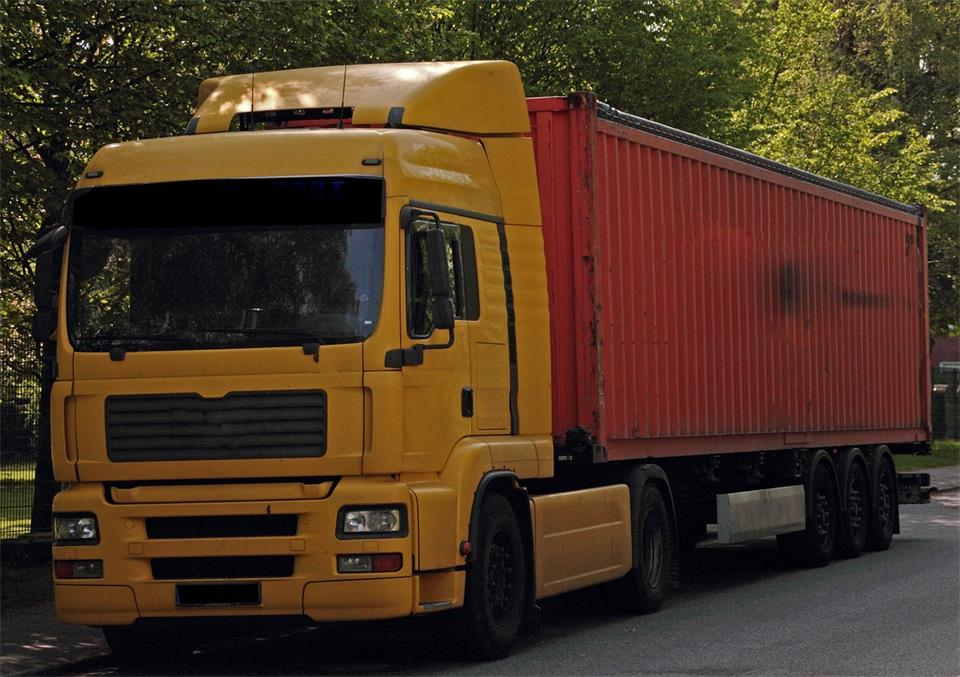
Transporting vehicles can be a challenging task, whether you are relocating across the country, selling a car to a buyer in another state, or shipping a motorcycle for a special event. Traditional methods of vehicle transport often involved a mix of manual coordination, phone calls, and uncertainty.
However, advancements in logistics technology and service options have made the process faster, more reliable, and more transparent than ever before.
From digital booking systems to GPS tracking, smart transport solutions are changing the way people move vehicles, making it easier for both individuals and businesses to get from point A to point B without the headaches of the past.
Digital Booking Platforms Simplify Arrangements
One of the biggest changes in recent years is the rise of digital booking platforms for vehicle transport. Instead of calling multiple companies to compare quotes, customers can now enter their requirements online and receive a list of competitive offers within minutes. These platforms not only save time but also create more transparency in pricing and service levels.
By removing the guesswork and allowing for side-by-side comparisons, customers can make informed decisions that balance cost, delivery time, and safety. Some platforms even allow customers to read reviews of carriers before booking, ensuring a higher level of trust in the process.
GPS Tracking for Real-Time Updates
Another game-changer in the world of vehicle transportation is GPS tracking. In the past, customers often had to rely on vague delivery windows and occasional phone updates from drivers. Now, GPS-enabled transport systems give customers the ability to monitor their vehicle’s location in real time.
This feature not only improves peace of mind but also allows for better planning on the receiving end. Whether a vehicle is being delivered to a residential driveway or a dealership lot, knowing the exact arrival time reduces the stress and logistical challenges of coordinating delivery.
Flexible Transport Options for Different Needs
Not all vehicles are the same, and neither are their transportation requirements. Today’s smart transport services offer flexible solutions to match different needs. Motorcycles, for example, require specialized equipment and handling.
Businesses and individuals can use services like Georgia motorcycle transportation to connect with carriers who have the right tools and expertise to move bikes safely and efficiently. This flexibility ensures that each type of vehicle receives the right level of care during transit.
Improved Communication Between Carriers and Customers
In the past, communication gaps between carriers and customers often caused delays and misunderstandings. Modern vehicle transport solutions now integrate messaging and update systems directly into their platforms. Customers can send and receive messages, confirm delivery instructions, and get status updates without having to chase down a driver by phone.
This streamlined communication benefits both sides. Carriers can operate more efficiently without interruptions, and customers have clear, consistent information from start to finish.
Environmental Considerations in Vehicle Transport
Sustainability has become a growing concern in transportation, and smart solutions are addressing it in creative ways. Some platforms allow carriers to maximize their routes by matching them with multiple jobs along the same path. This reduces the number of empty trucks on the road, lowers fuel consumption, and decreases emissions.
For customers, this also means potentially lower prices, as carriers can offer discounted rates when their routes are optimized. It is a win-win scenario for both the environment and the bottom line.
International Vehicle Transport Made Easier
While domestic transport is becoming more efficient, international shipping has also benefited from modern solutions. Companies now offer integrated customs assistance, digital documentation, and coordinated port services. This reduces delays at borders and ensures compliance with international shipping regulations.
For those moving overseas or importing specialty vehicles, these advancements save time and reduce the complexity of cross-border transactions.
The Future of Smart Vehicle Transport
The evolution of smart transport solutions is ongoing. Artificial intelligence is beginning to play a role in predicting delivery times, identifying optimal routes, and even forecasting demand for certain transport services. Blockchain technology may eventually offer more secure and transparent recordkeeping for transactions and service agreements.
As these innovations continue to develop, moving vehicles will become an even smoother process, with greater efficiency, cost savings, and reliability for all parties involved.