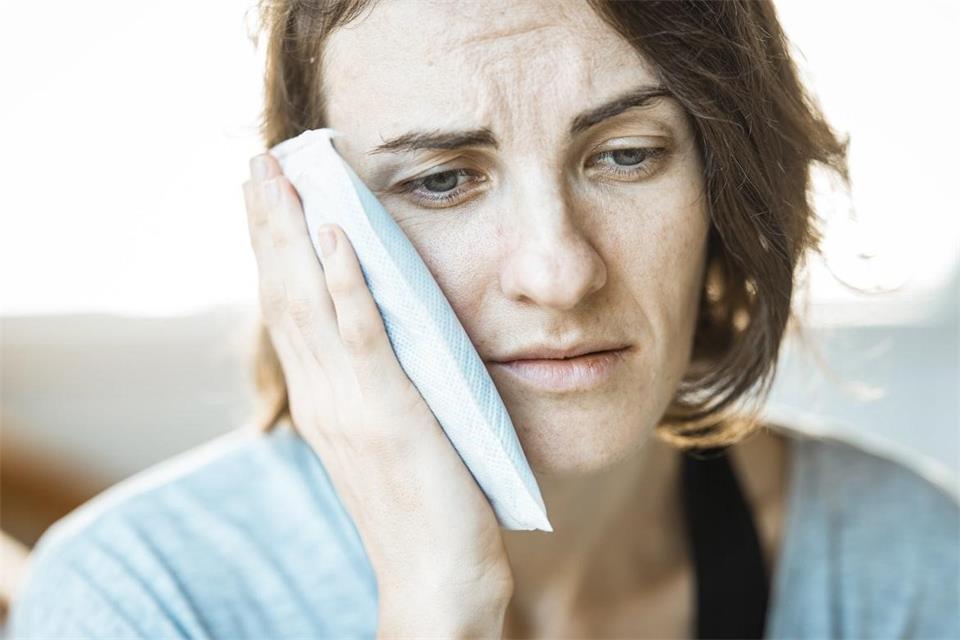
Living with persistent pain affects far more than the body. It shapes how people think, feel, and interact with the world around them. When discomfort becomes part of everyday life, emotional strain follows, often leading to frustration, irritability, sleep disruptions, and even depression or anxiety.
The relationship between physical pain and emotional health is deeply intertwined, making it important to approach pain management from both a physical and mental perspective.
Understanding how pain influences emotional well-being empowers individuals to take steps that reduce stress and restore balance. With the right tools, support systems, and lifestyle adjustments, it’s possible to minimize the emotional burden and improve quality of life.
Exploring Supportive Pain-Relief Options and Stress Reduction
People who live with long-term pain often explore a variety of approaches to feel more comfortable throughout the day. Some consider natural methods, including cannabis products such as those at https://sativauniversity.com/strains/sherbanger/, for their potential calming and pain-relieving qualities.
When used responsibly and with proper guidance, supportive options like this may help reduce inflammation, ease tension, and create a more relaxed emotional state.
Every individual’s experience with pain is unique, so experimenting carefully and tracking what provides relief is important. Some people find comfort through heat therapy or massage, while others benefit from stretching, meditation, or gentle movement practices such as yoga.
Reducing physical discomfort naturally leads to healthier emotional patterns. When the body feels less tense or strained, people often notice improvements in patience, clarity, and outlook.
Recognizing the Emotional Toll of Persistent Pain
Pain affects more than the physical body, it influences mood, concentration, and social interactions. When discomfort becomes a constant companion, emotional fatigue sets in.
People may withdraw from activities they once enjoyed, feel easily overwhelmed, or struggle to maintain motivation. These emotional responses are normal, but they can create a cycle where stress amplifies pain, making symptoms feel even worse.
Acknowledging the emotional burden is an important first step toward breaking this cycle. Instead of dismissing these feelings, recognizing them helps individuals seek appropriate support. Sharing concerns with a therapist, counselor, or trusted friend can provide relief and perspective.
Building self-awareness encourages healthier coping strategies and strengthens resilience. With time, emotional reactions become easier to manage even when pain remains present.
Creating Daily Routines That Support Mental and Physical Comfort
Establishing consistent daily routines helps reduce the unpredictability that often worsens pain-related stress. Whether it’s setting regular sleep hours, planning gentle exercise, or structuring work in manageable segments, routines create a sense of control. This stability can dramatically improve emotional health.
Simple practices such as morning stretching, mindful breathing, or stepping outside for fresh air can shift the tone of the day. Even brief moments of calm strengthen emotional resilience. When incorporated consistently, these habits help regulate mood, improve energy levels, and reduce mental fatigue.
Using Movement and Gentle Exercise to Lift Mood
While movement may seem challenging during periods of discomfort, gentle exercise can reduce pain and improve mood. Activities such as walking, stretching, or swimming release endorphins, natural chemicals that promote happiness and reduce stress.
Movement increases blood flow, relaxes tight muscles, and restores mobility, all of which support emotional stability.
For those who cannot engage in high-impact exercise, simple actions like chair yoga, light resistance work, or guided mobility routines provide valuable relief. The goal is not intensity but consistency.
Building Strong Emotional Support Systems
Pain can feel isolating, but supportive relationships reduce emotional strain significantly. Friends, family members, and community groups offer encouragement, understanding, and connection. Simply knowing that others care makes difficult days more manageable.
Support groups, whether online or in-person, help individuals share experiences and learn new coping tools. These communities normalize the emotional challenges of living with pain and remind people that they are not alone.
Reducing Stress Through Mindfulness and Relaxation Techniques
Mindfulness practices help calm the nervous system, which in turn reduces pain intensity. Techniques such as deep breathing, guided meditation, or progressive muscle relaxation help shift the body from a state of tension to one of ease.
Mindfulness teaches individuals to observe their discomfort without becoming overwhelmed by it. This mental shift reduces emotional reactivity and increases tolerance during difficult moments.
Focusing on What Can Be Controlled
Not all pain can be eliminated, but focusing on what is within one’s control makes a meaningful difference. This includes adjusting expectations, pacing activities instead of pushing through discomfort, and celebrating progress.
Shifting attention toward manageable goals, like completing a task, taking a short walk, or practicing a coping skill, helps break overwhelming challenges into achievable steps. This approach restores confidence and reduces emotional strain.

While pain may remain a part of daily life, it does not have to define one’s emotional experience. With the right tools and support, it is possible to restore balance, improve mental well-being, and feel more in control of each day.